
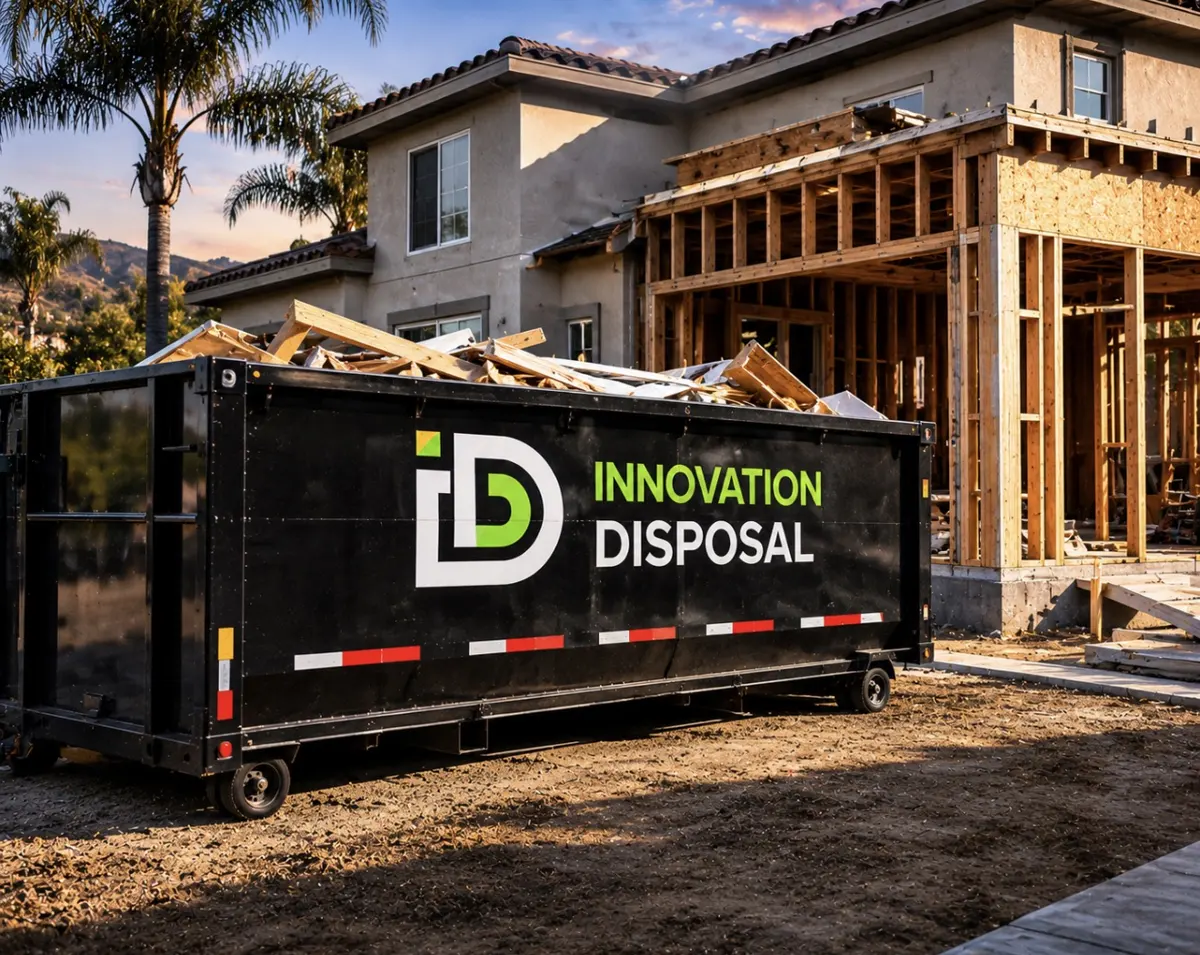
Picking the wrong size is the most common way people overpay for a dumpster. Too small and you pay for a second haul. Too big and you pay for space you never use. Here is how to choose.
10 yard dumpster
Best for small cleanouts, a single-room remodel, or heavy material like concrete, dirt, brick and tile. Heavy debris fills the weight allowance long before it fills the container, so a smaller box is usually the right call. A 10 yard holds roughly three pickup-truck loads.
20 yard dumpster
The most popular size. It fits most kitchen and bathroom remodels, flooring jobs, many roof tear-offs and garage cleanouts. It holds roughly six pickup-truck loads.
30 yard dumpster
For whole-house cleanouts, room additions, larger remodels and new construction framing debris. It holds roughly nine pickup-truck loads.
40 yard dumpster
For major construction, demolition and commercial cleanouts with bulky, lighter debris. It holds roughly twelve pickup-truck loads.
Weight matters as much as size
Every rental includes a weight allowance, and going over it adds an overweight charge. Concrete, dirt, roofing and plaster are heavy. Furniture, cardboard and framing lumber are bulky but light. Tell us what you are throwing away and we will match the container to both the volume and the weight.
When you are between sizes
Going one size up usually costs less than ordering a second dumpster. The exception is heavy material, where a bigger container just means more weight and higher overage risk.
Get a recommendation
Send us your project details and ZIP code and we will recommend a size and send a clear quote. Compare all sizes on our dumpster rental page.